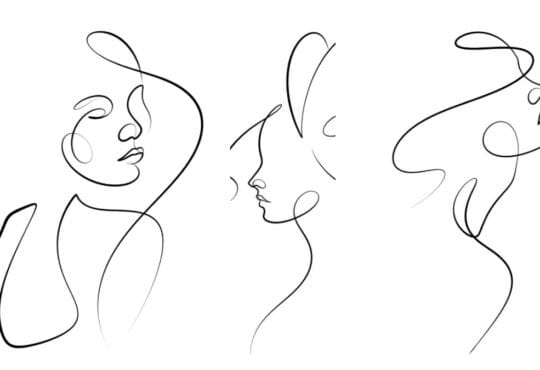
Minimalist Art: Why Less Is More and How It Shapes Modern Creativity
In a world of chaos and noise, minimalist art is a refreshing change. It concentrates on the essentials and removes anything that is unnecessary. This article will answer all your questions about why “less is better” has become so popular among modern creatives.
Is there another way to create art?
Art can be overwhelming. Our screens and space are filled with bright colors, busy patterns, and complex designs. Rather than feeling inspired, it is more common to feel tired. This overload of visuals creates stress and not joy.
There is another way. The minimalist art movement offers a way out. It removes the unnecessary and leaves only what is important. It is calm, clean and easy to enjoy.
When complexity steals the joy of art
Imagine entering a gallery filled with vibrant paintings. It’s initially exciting. Your eyes will soon tire. Each piece merges into the next. It becomes exhausting and not fun.
Artists are not exempt. Artists are often under pressure to add more detail, believing that it will add value. Burnout can be caused by complexity. History has shown us that art can be powerful without being complicated.
Minimalist art is a source of relief. It encourages viewers and artists to focus on the important things.

Minimalism: A path to clearer expression
In the 1960s, minimalism began to take shape. The movement was led by artists like Donald Judd and Agnes Martin. The artists used clean, simple designs, minimal colors and simple shapes. They showed that simplicity is powerful.
What is Minimalist Art?
Minimalist art follows clear principles:
- Simple Forms:Basic shapes and clean lines.
- Limited Colours: Most often one or two shades.
- Empty Spaces:These empty spaces are part of the design.
- Purposeful design:Each element has a meaning.
These ideas have spread far beyond the art world. Design, fashion and lifestyle choices are now influenced by minimalism.
Case Studies: Minimalism in Action
1. Donald Judd’s Perfect Boxes
Donald Judd’s “stacked boxes” shows how simple forms can have a powerful impact. The boxes are all the same when they’re stacked on the wall. They are made from industrial materials and highlight structure rather than decoration.
Judd’s art shows that repetition and precision are necessary to create beauty. There is no distraction. Only clarity.
2. Agnes Martin’s Peaceful Grids
Agnes Martin painted soft grids. White Stone, a work by Agnes Martin from 1964, features thin lines against a pale backdrop. It is calm and not complicated.
Each line is slightly different, revealing the artist’s touch. Her work brings peace to a world that is busy.
3. Apple Minimalist Design
Apple’s product design is based on minimalist principles. Apple has always favored clean lines and simple user interfaces. Jony Ive was Apple’s former chief designer and he often cited minimalism as an inspiration.
Apple’s success is proof that simplicity can lead innovation.
Why Minimalism is Important Today
Minimalist art is a reflection of a wider cultural shift. In an age of information overload minimalism provides clarity and focus.
1. Mindful consumption
Minimalist art promotes thoughtful decisions. Fewer, but more meaningful pieces are purchased. This strategy supports sustainability by reducing excess production and waste.
2. Mental Clarity
Minimalist spaces reduce stress. In a study published in the Journal of Environmental Psychology in 2019, people who live in minimalist environments reported feeling less anxious. Simple, clean designs promote calm.
3. Timeless Appeal
Minimalist Art does not follow trends. The clean lines and simple shapes of minimalist art remain relevant. The timeless nature of minimalist pieces makes them smart investments.
Practical Tips for Artists: Creating Minimalist art
Want to learn more about minimalist art? How to begin:
- Use simple shapes:Stick with basic shapes like squares, circles, and lines.
- Select only one or two colors.Monochrome works well.
- Empty spaces can balance your design.
- Concentrate Your message:Only keep what supports your idea.
- Try different media:Minimalism in paintings, sculptures, and Digital art.
Minimalism beyond Art: A Lifestyle Option
The minimalist principles are applicable to everyday life. Interior design prefers open spaces and clean lines. Fashion is based on neutral colors and simple cuts. Even websites use minimalistic layouts to make them easier to use.
This change reflects the desire for simplicity in an increasingly fast-paced environment.
Find Freedom in Simplicity
Less can be more. It shows that simplicity is powerful and beautiful. Artists and viewers alike find clarity and peace by focusing on the important things.
Minimalism is a refreshing way to approach art creation or enjoyment, whether you are creating it yourself or consuming it. It’s about intention, not restriction. Keep only what matters.
As Agnes Martin once said, “Art is a concrete representation of the subtlest feelings we have.” The simplest forms can often express the most profound ideas.
The next time you come across a minimalist work, take a moment to pause. Take a closer look. You might find something profound in the simplicity.