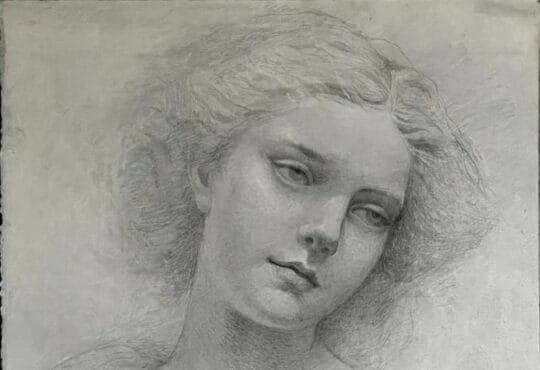
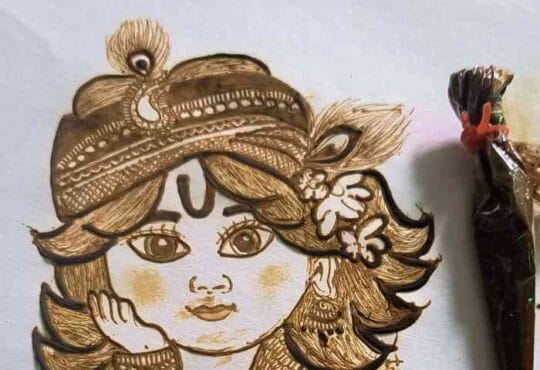
Nature Sketchbook: Easy Drawing Ideas of Animals, Flowers & Scenery
Sketching is a great way to get inspired by nature. Explore the tranquil world of a Nature Sketchbook where creativity meets the quiet of the outdoors. This post will provide you with easy drawing ideas as well as easy drawing ideas. This post will explore a range of simple nature drawing ideas that are perfect for beginners and require only a pencil. Fill your sketchbook with natural wonders!
1. Why sketching nature is great for beginners
Drawing nature can be a rewarding experience, especially for beginners. Nature is a great teacher because it provides concrete subjects that have unique textures, shapes, and forms.
Nature is full of inspiration, with its simple shapes and soothing forms. Consider the oval shape of a pebble or the symmetrical petals on a daisy. Or the gentle curves of rolling hills. Nature is full of these basic shapes, which are the foundations for more complex drawings. They make observation easier and less intimidating. Natural environments are calm, which makes drawing more enjoyable and relaxing.
It improves your freehand drawing and helps you develop observation skills. You’re not drawing just “a flower”, but the specific arrangement of its petals, the way the light hits the leaves, and subtle variations on its stem. This increased awareness helps you to develop a keen eye for details that would otherwise be missed. This is a vital skill for artists. Simultaneously drawing what you see improves hand-eye coordination, and your ability to accurately draw shapes and lines without using rulers or guides.
The challenge of drawing flowers, animals and scenery is to capture their unique characteristics. Every natural subject has its own challenges. Drawing a bird involves understanding the proportions of its body; drawing a flower requires balancing its symmetry; and sketching landscapes demands a strong sense of depth and perspective. These exercises train your eye to see basic principles such as balance and proportion. The sheer diversity of nature inspires endless interpretations and allows you to develop a unique artistic voice.
It can also be a deeply meditative experience. In a fast-paced society, drawing and observing nature is calming. This practice forces you to be more present and use all of your senses. This approach to mindfulness can help reduce stress, improve focus and create new creative avenues. It makes your art both a place for your mind and spirit.
2. What you’ll need for nature sketching
Nature sketching is a great way to capture the beauty of nature. To get started, you don’t require a professional studio or expensive supplies.
A basic pencil, an eraser, a sketchbook or a drawing pad. This is your essential kit. Standard HB or 2B is a versatile pencil that can be used for many sketches. It offers a good compromise between the darkness of the pencil and its ease of erasure. The use of a kneaded pencil eraser can be very useful for removing graphite without it smudging. Sketchbooks should have paper that is sturdy enough to resist erasing, and with a little tooth to hold graphite. The sizes can be varied, from small books for sketching on the go to larger pads that are better for detailed work.
Colored pencils, fineliners or watercolors are optional. After you’ve mastered the basics of pencil sketching, it may be time to add some color or more defined lines. Colored pencils can be used to add subtle textures and colors. You can use Fineliners (waterproof pens with ink) to outline your sketches and give them a more defined appearance. Even a small set of watercolors can be used to add beautiful washes and capture the ethereal qualities of light and ambience.
You can mention that digital tablets and apps, like Procreate, are great for sketching nature. A tablet with an app to draw on offers incredible flexibility. Procreate for iPad, Adobe Fresco or simple drawing tools are all apps that can simulate traditional pencils, paper textures and brushes. Digital sketching has the advantage of being able to undo mistakes easily, experiment with different layers and have access to a wide range of colors, all without having physical supplies. No matter what medium you choose, the core principles of observing and understanding form will remain unchanged.
3. Easy Animal Drawing Ideas For Beginners
Animals are fascinating subjects because of their diversity and expressions. Focus on the overall shape of animals by starting with simple poses.
3.1. Sleeping Fox

The form of a sleeping fox is compact and simple. The oval body shape, the nose tucked in, and the fluffy, wrapped tail are all important.
3.2. Standing Bird on Branch

Select a small bird that has a distinctive silhouette. Draw the oval body and then add the tail, head, and the two legs that grip the branch. To give the branch context, emphasize the angle.
3.3. Bunny With Long Ears
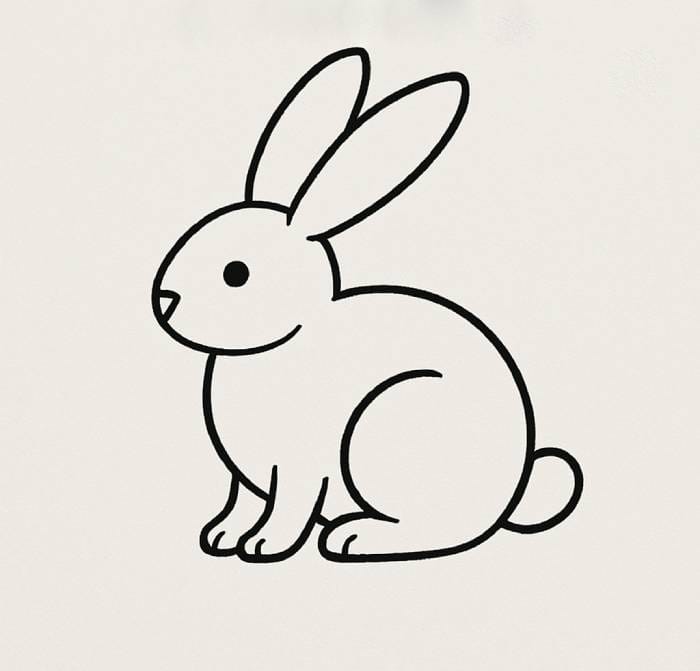
Bunnies have soft, round shapes. Start with a large circle for the body, and a smaller oval for the head. Make sure you capture the curve of those long, prominent ears.
3.4. Simple Butterfly
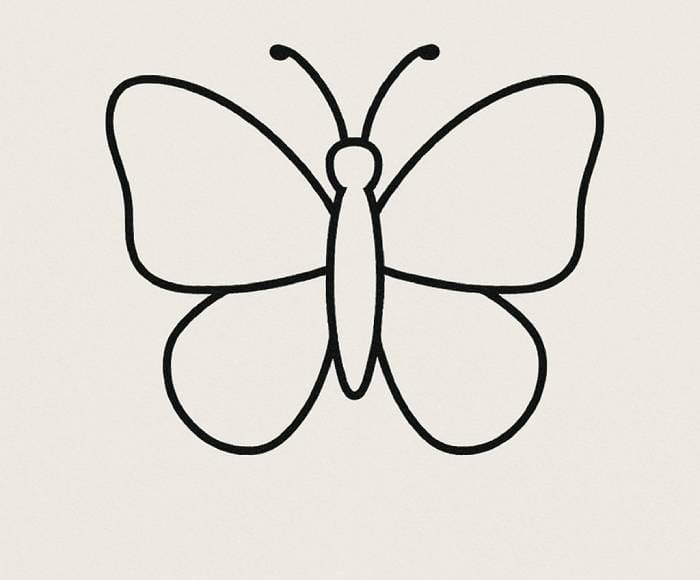
Butterflies have a natural symmetry. Begin with the body and then draw two pairs of wings, one on each side. You can add simple patterns later.
3.5. Turtle Walking on Sand

The shell of a turtle is a domed, clear shape. Draw the large oval shell and then add the head, tail and four short legs.
Tip First, focus on the basic shapes. For example, ovals work well for faces and circles for bodies. Do not worry about the details at first; focus on getting the overall shape right.
4. Simple Flower Sketches to Add to your Sketchbook
Flowers are great subjects to practice symmetry, curves and delicate textures.
4.1. Single Rose with Leaf

One rose can be reduced to a spiral of petals that overlap. Work your way outwards, starting at the center. Add a classic serrated blade and a simple stem.
4.2. Daisy in a Field
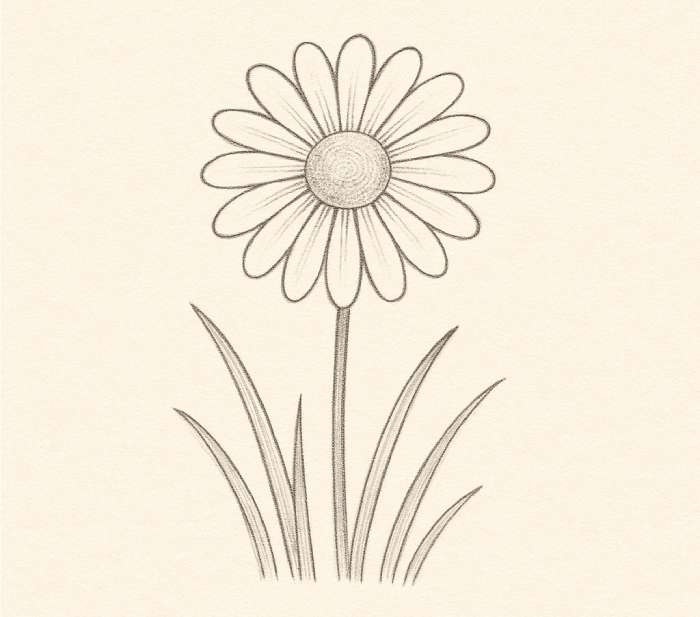
Daisies make a great way to practice radial symmetry. Draw a circle in the middle, and then radiate outwards equal-sized petals. Add a few simple grass blades around the circle.
4.3. Lavender Sprigs
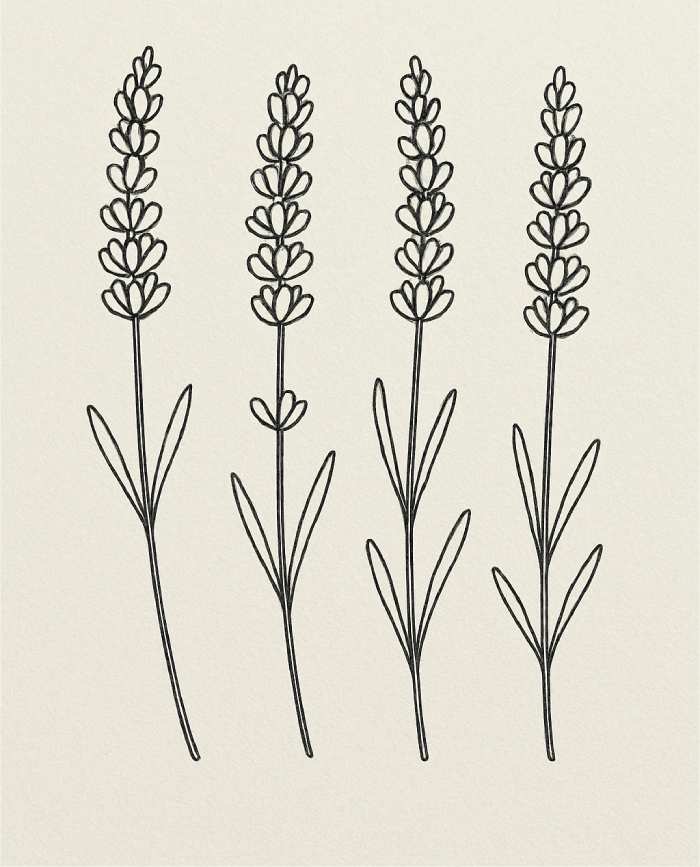
The lavender flower is made up of clusters of tiny florets. Draw a main stem and then add small, oval or teardrop-shaped shapes tightly packed along the upper portion of the stem.
4.4. Sunflower facing the Sun
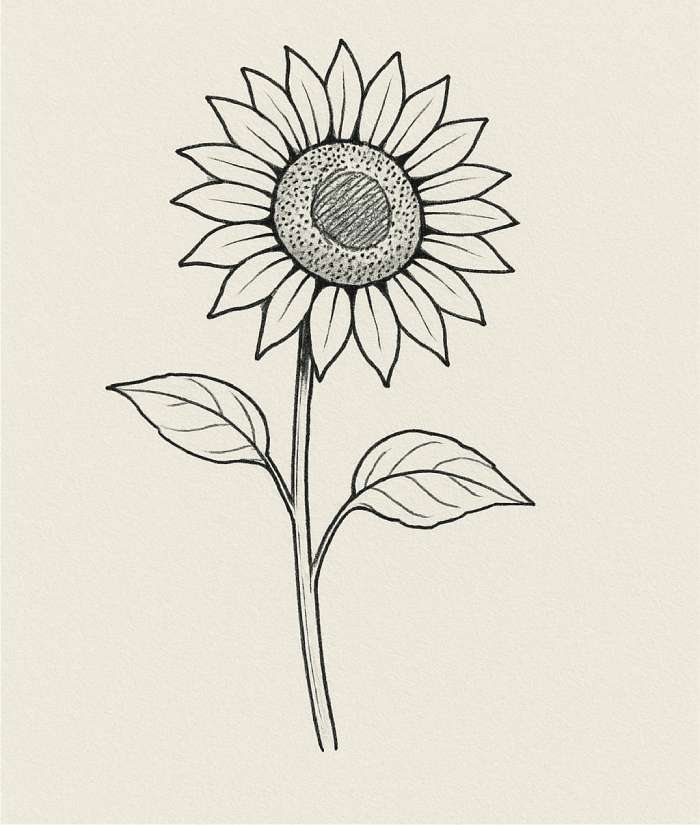
Sunflowers are characterized by a large and prominent head. Draw a large circle in the middle, and then add a radial pattern of petals that are somewhat irregular. Show a strong stem.
4.5. Hanging Wisteria Branches
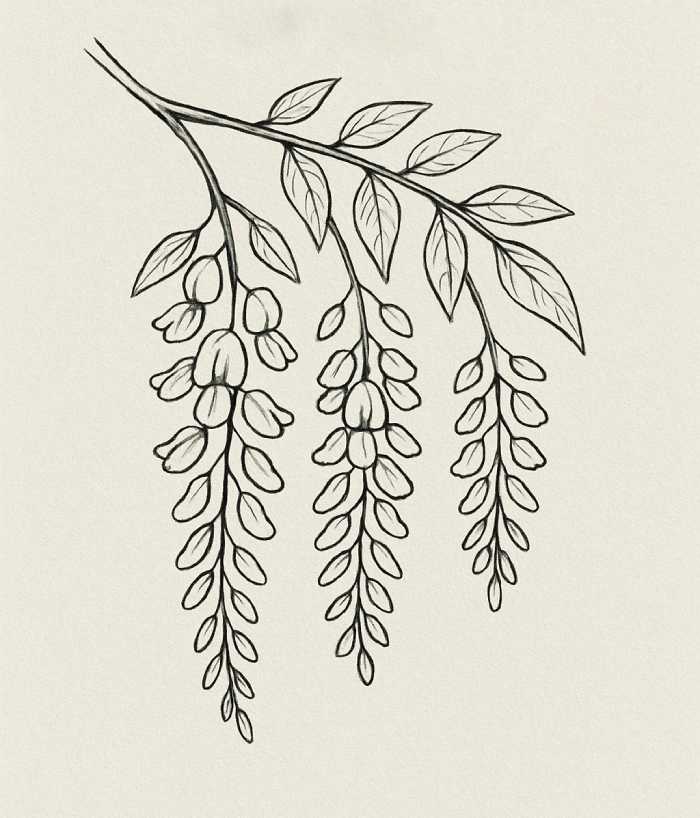
The cascading flower clusters on wisteria branches make them unique. Draw a branch and add small, delicate, elongated clusters of flowers.
Tip : Begin with the petals and stem, then add simple textures such as dots or lines to the center or veins. Do not aim for perfection in the beginning.
5. Simple Landscape & Scenery Drawing Ideas
Landscapes are a great way to play with depth, perspective and atmosphere. Start with simple shapes and broad strokes.
5.1. Mountain Ranges and Trees

Draw a line for the horizon, and then draw a series overlapping triangles (or rounded peaks) to represent the mountains. Add simple shapes of evergreen trees (triangles, irregular ovals) to the foreground.
5.2. Sunset Over The Ocean
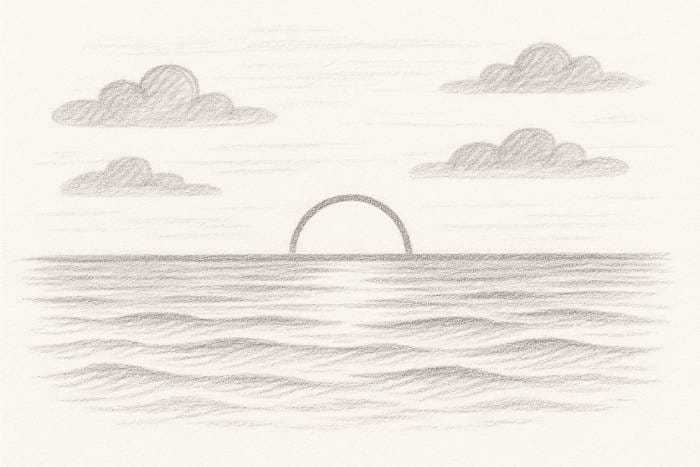
Draw a line that separates the ocean from the sky. Add a simple half-sun (or sun) to the horizon. With a few clouds and gentle horizontal lines, you can suggest waves.
5.3. A Quiet Forest Path
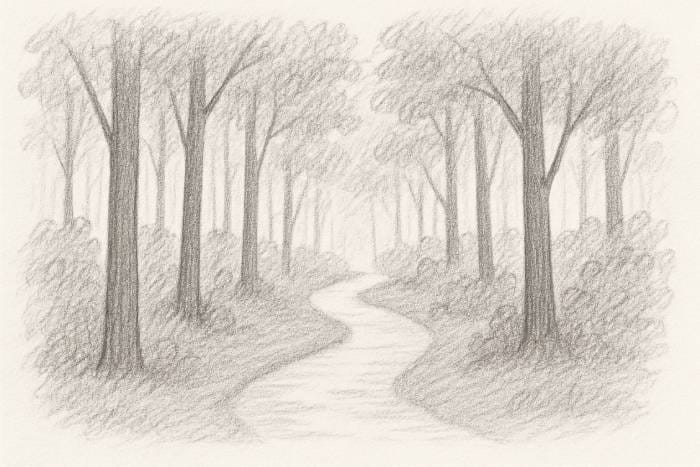
Create perspective by drawing a path that winds into the distance. Draw simple trunks on either side and add foliage with scribbled lines or undulating ones.
5.4. Rolling Hills and a Windmill
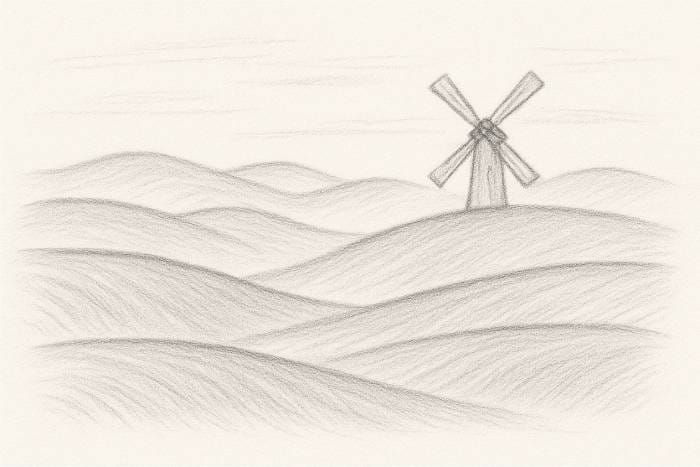
Draw undulating lines that are rounded to represent hills in the distance. Sketch a windmill on one of the hills: a vertical rod with two parallel lines for the blades.
5.5. Starry Night Sky and Mountains
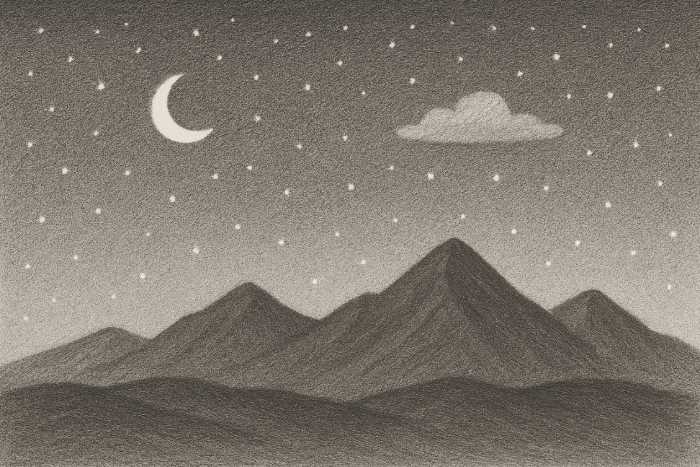
Draw a dark range of mountains at the bottom. Use small dots to represent stars and vary their sizes. Add a crescent or simple cloud shape.
Tip: Use layering–foreground, middle ground, and background–to create depth. The elements closer to you are larger and more detailed, while those farther away are smaller and less distinct.
6. Nature Sketchbook Tips
Sketchbooks are more than just drawings. They’re a visual diary of your observations, and an artistic journey.
Sketch one object on each page. It gives you the space to concentrate on your individual forms and keeps your pages uncluttered.
Draw directly from the life scene (plein-air) to improve observation skills. If that is not possible, then high-quality photographs of nature can be used as references. This is especially true for animals and specific weather conditions.
Start with light lines, and then add shading, or outline the image in ink. Create “ghost” lines to determine proportions and general shapes. After you are happy with your basic structure, you may add darker lines or shading to give the shape. You can also use ink as a permanent outline.
Add notes to your sketches, such as dates and weather. A sketchbook can be a record of personal memories. Add small notes to your sketchbook about the date, location and weather. You can also add thoughts you had while drawing.
7. Bonus: Nature-Themed Art Prompts
A little prodding can sometimes be all it takes to spark your creativity.
- “Draw a picture of your favorite tree at every season.” The goal is to see how the subject changes with time, from bare branches during winter to lush leaves in summer.
- “Sketch three birds outside your window.” This is a combination of auditory observation and visual interpretation. It encourages you to imagine the birds’ appearance based on what they sound like.
- “Combine a flower, an animal and a scene onto a single sheet.” Encourages creative composition and storytelling in your sketch.
FAQs (Frequently Asked Questions)
What easy things can you draw from nature?
Simple leaves, pebbles and flowers such as daisies can be drawn easily. Basic tree shapes, simple clouds or animal silhouettes are also easy to draw.
What is the best way to start a nature journal as a novice?
Gather basic tools, such as a pencil, eraser and sketchbook. Start by observing the simple objects in nature around you, such as a houseplant or fruit. Don’t worry about perfectionism. Focus first on the general shapes. Even if you only have 10-15 minutes to spare each day, practice regularly.
Can you draw nature scenes in your home?
Absolutely! You can also draw nature scenes using photos, documents, or from memory. For detailed work, or when the weather is not ideal outside, many artists use reference photos. Even if you’re using a computer screen, it is important to observe carefully.
What is the best tool for sketching flowers or landscapes?
A sketchbook and a graphite (HB or 2B), are enough for beginners. You can add fineliners to create crisp lines, colored pencils to give subtle color or a small set of watercolors for washes as you progress. The “best” tool is the one you are most comfortable with and feel inspired to use.
The conclusion of the article is:
It is an enriching experience to embark on your nature sketches sketchbook ideas journey. You can start with easy animals drawing ideas or vibrant flower drawing ideas.
Nature sketching is not about perfection. It’s about connection, observation and joy. This is a mindfulness practice that helps you slow down and appreciate the details in the world around you. You can then translate this appreciation onto paper. Grab your sketchbook and pick a section that you are excited about today. Then, start drawing!
We would love to see what you’ve done! Don’t forget us when you share your nature sketchbook pages. Enjoy sketching!