The Art of Anime Character Design: Techniques, Trends, and Inspiration
It is not easy to create anime characters that are unique. The anime industry has many iconic designs that have influenced pop culture around the world. Designers are faced with challenges such as creating unique characters in an overcrowded market, blending innovation and tradition, and appealing to local and global audiences. Beginners may find it difficult to break into the competitive design field without guidance.
Imagine designing a character for hours, only to discover that it does not connect with anyone. It can be frustrating to watch trends that you do not fully understand dominate the industry, while your work is overlooked. How do you make a character memorable or what makes it so? Questions like Why are characters such as Goku and Naruto so memorable? can keep you second-guessing your skills. It’s easy for you to lose your confidence and feel stuck without a clear direction.
This guide simplifies anime character design through sharing practical techniques, highlighting trends, and looking at real-life examples. This article is a great resource for anyone interested in the creative process.
Techniques for Creating Memorable Anime Characters
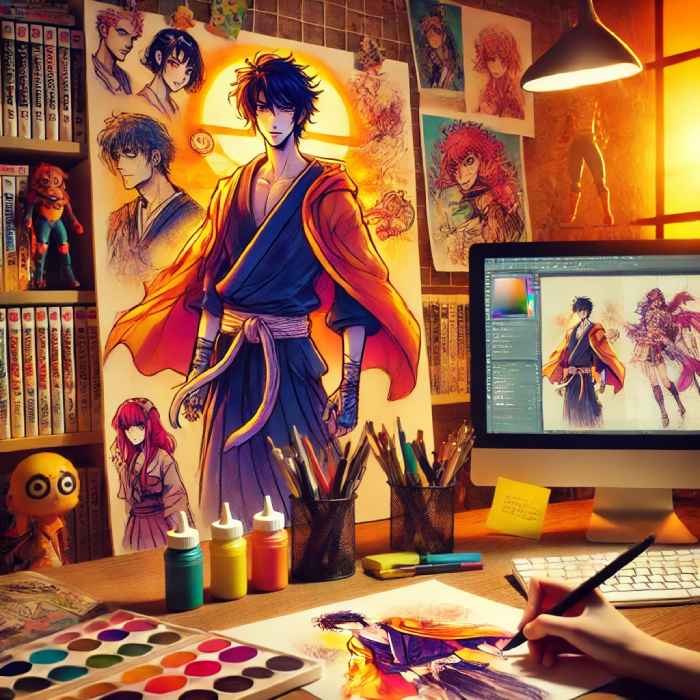
Silhouette Recognition A powerful character design begins with a strong silhouette. You can recognize great characters by their outline. Consider Pikachu or Totoro, with their unique shapes. Your character will stand out if you use a distinct silhouette.
Tip Test your design in black and white.
Color Selections Colours can communicate feelings and personality. Bright colors, like red or yellow, often convey energy. Darker tones such as blue or black can also communicate mystery or strength.
Example In My Hero Academia Deku’s green represents growth and optimism while All Might’s yellow and blue are bright and show heroism.
Facial expressions Animation relies heavily on emotive faces to convey emotion. Characters with large eyes are not uncommon, but other details, such as unique markings or shapes, can help them stand out.
Example Gaara Naruto is a character with intense facial expressions and eye marks.
Cultural influences Many anime characters are inspired by Japanese mythology, culture, and history. However, they also draw on global traditions. Characters are often influenced by Samurai tales, Western stories, or even spirits.
Demon Slayer is a case study that uses traditional kimono styles and Taisho-era patterns to create a world authentic for its characters.
Accessory and Props Props, accessories and clothing add depth to characters. A sword, necklace or hairstyle tells a story of the character’s past or role.
Example Zoro, in One Piece, carries three swords to show his unique fighting style.
Trends for Anime Character Design
Simple Designs With Bold Details Many designs today use a minimalistic look with one or two bold details. This makes it easy for characters to be recognized and reproduced on merchandise such as toys and clothing.
Example : Darling in the Franxx is a simple outfit, but has pink hair and small ears.
Diverse representation As anime is reaching global audiences, the designs are beginning to reflect more diversity. Netflix and other streaming platforms are bringing diverse characters to the forefront.
Yasuke is a new perspective on anime, introducing an African samurai as the protagonist.
Blending Genres Anime now mixes different genres, influencing character designs. Steampunk elements, cyberpunk and fantasy are often mixed to create unique looks.
Vivy’s Song The main character is a mix of futuristic and idol aesthetics.
Designing for All Ages Today’s designs are often aimed at both young and old viewers. This increases the appeal of a character and its merchandise potential.
Example : Studio Ghibli characters like Totoro and Sophie from Howl’s Moving Castle are loved by all generations.
Get Inspired by Iconic Characters
Sailor Moon Sailor Moon combined Japanese uniforms with magical features, creating a worldwide sensation. It was universally popular because of the mix of traditional and contemporary elements.
Lesson : Use cultural themes and unique design elements to expand the reach of your character.
The characters of attack on Titan are dressed in practical military uniforms. Details such as Eren’s cape in green or Levi’s neat style add to the gritty tone.
Lesson : Consider how your design fits in with the story and world.
One Piece One Piece has bold and imaginative designs like Luffy’s stretched-out body or Brook’s skull form. The series is a celebration of creativity.
Lesson : Do not be afraid of unconventional ideas. Unique designs can flourish in a developed world.
Practical tips for designers
- Begin with a StoryBefore you sketch, consider the personality and background of your character. Your design will be more meaningful.
- Improve Your WorkDon’t stick with your first draft. Continue to improve your design until you feel it is complete.
- Stay updated Keep up with the latest trends and new anime.
- Create a PortfolioShowcase your design skills on platforms such as ArtStation and Behance.
- Get feedbackJoin online communities to ask for feedback on your work.
Conclusion
Designing anime is an exciting but challenging experience. You can make characters that are unique by using techniques that are clear, learning from examples of successful characters, and following trends. Your designs may one day be the most iconic in the world of anime if you are persistent and focus on the story. Let your imagination run wild and start creating!