Turning Your Plant Hobby into a Business – How to Sell Plants from Home Online
Do you love watching your plants collection increase? Would you like to turn this passion into a lucrative business? The plant world is blossoming with more people than ever before bringing plants into their homes. This growing demand has made it much easier for people to to sell your plants at home, turning an enjoyable pastime into a lucrative business. This guide will take you through all the steps you need to know from the preparation of your first plant to the creation of an online shop and then transporting them in a safe manner. Make sure you are ready to transform the green, yellow thumb of yours into green money.
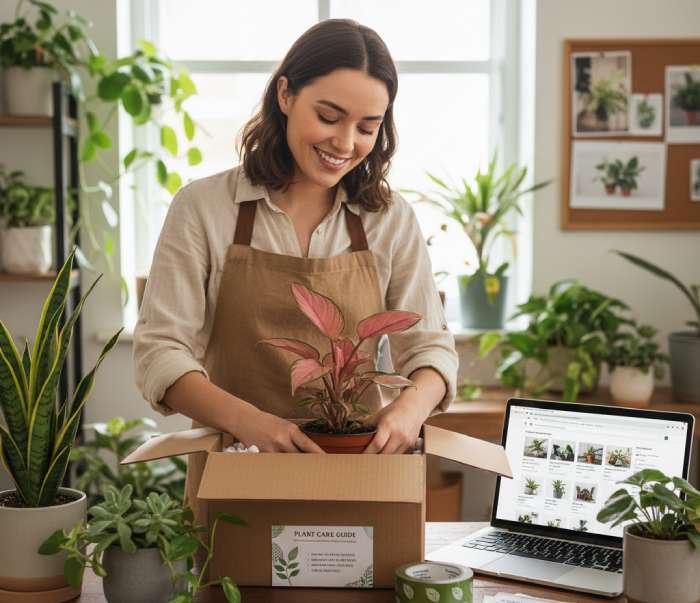
What is the reason to turn your Hobby into a business?
The trend towards the urban garden and in-house plant maintenance is exploding and is a great moment to start a business. The advantages of launching a plant business from home are many and extremely appealing.
Flexibility and freedom: Working for yourself allows you to choose your own schedule and control your work load. You can expand your business to meet your personal needs no matter if it’s a tiny part-time job or a full-time venture.
Low Cost of Startup: Unlike many businesses it doesn’t require an investment of a significant amount at the beginning. There are likely to be plenty of the basics such as pots, plants, soil, and the basic tools. Start with a modest propagation plan and increase your collection as you progress.
Doing what you love: There’s immense satisfaction in making money from a hobby that you’re enthusiastic about. Your love of plants will fuel your passion and will help you establish a connection with your customers.
The market for a variety of kinds of plants, particularly succulents for indoor use, and unique discoveries are at an all-time peak. People aren’t only buying plants, they are investing in a sense of wellbeing as well as home decor and an appreciation for the natural world. Learn from successful home-based plant sellers who started out small, perhaps with just a single propagation unit in their kitchen windowsills and have since established an online store that is thriving and has an established fan base.
Understanding the Plant Market
Before you sell it is crucial to know the type of products people are purchasing. Research is the best tool you have.
Define High-Demand Plants: Cacti and succulents are always in high demand due to their low maintenance. The plants that filter air like Snake plants as well as Pothos are highly sought-after for office and home spaces. Beware of rare and exotic varieties such as that of the variegated Monstera or the Pink Princess Philodendron They are able to fetch high prices and draw devoted collectors.
seasonal trends: Plant sales has seasons. Spring is the perfect time to sell seeds and plants for your outdoor garden and the Christmas season is a time of increased in the demand for Christmas plants such as Poinsettias or miniature Christmas trees. Be aware of these trends and time your products perfect.
Study Your Target Customers: Are you catering to students looking to embellish their dorms, professional professionals in search of low-maintenance Fiddle Leaf Fig or seasoned gardeners looking for an aroid that is rare? Make sure you tailor your plant selections descriptions, marketing, and descriptions to attract your targeted target market.
Legal and Practical Requirements
Do not skip this step! Doing a little preparation now could help you avoid a lot of hassle in the future.
Regional Rules and Permits: Find your local government’s regulations regarding business that are based at home. Certain areas require a business license or have special regulations for commercial activity. Although selling just a couple of plants may not cause a ruckus however, a business that is growing could.
Plant Shipping Restrictions: This is vital. Different countries and states have strict rules on which plants and soils are allowed to be brought across borders in order to avoid the spread of disease and pests. For instance, some states within the U.S. require a phytosanitary certificate for certain types of plants. Always verify the USDA regulations and specific rules of your destination state.
The process of setting up a home nursery: It doesn’t require a greenhouse. A bright window or a corner that is well-lit or even a basic shelving unit equipped with grow lights could serve for your home nursery. Consider investing in a high-quality mix for potting, as well as a variety of pot sizes, as well as essential tools such as pruners and watering containers. Make sure the space is tidy and neat to keep your plants healthy.
Preparing Plants for Sale
The high-quality of your plants is your name. Your customers expect healthy and pest-free plants prepared to flourish in their new home.
Growing Healthy Plants: Start with propagation. Learn to cut off cuttings of the healthy plants of your mother and plant them in soil or water. Take your time; a healthy plant will be more likely to withstand transplant shock and shipping. Choose a good pot mix and follow a consistent timetable for watering.
The Potting process and labeling: Pot plants in beautiful, tidy pots prior to listing them. This will make them more attractive to potential buyers. Make sure to use clear, easy-to-read labels that contain the plant’s typical name as well as the scientific name. This gives your plant a professional appearance and allows customers to identify the new plant.
Maintenance of Quality: Always check your plants regularly for insects such as mealybugs, spider mites or scale. Make sure to treat any issues immediately using organic or chemical treatments. A quick spray with the oil of neem is a fantastic prevention measure. The healthy and vibrant plants can result in repeat customers and rave reviews.
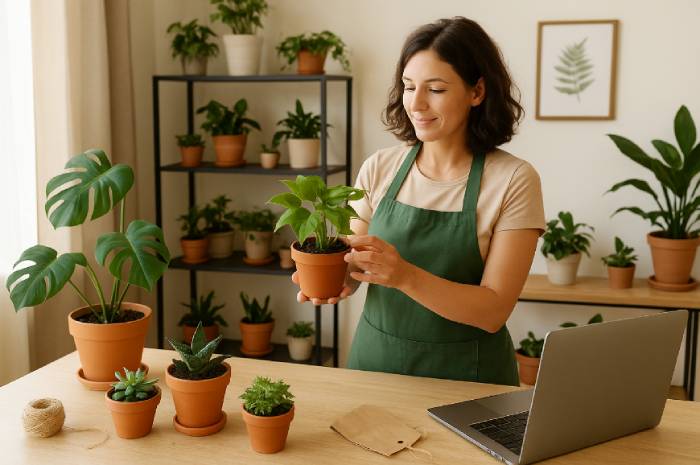
Setting Up Your Online Presence
Online storefronts are your storefront. It must be user-friendly, easy to navigate, and professional.
Choosing Where to Sell:
Marketplaces: Marketplaces like Etsy, Amazon, and eBay have a loyal client base. Etsy is famous for its original and unique items, making it the ideal choice for companies that operate on the basis of plants. Facebook Marketplace is perfect for local sales, and also helps avoid shipping problems.
The website you have created: Building your own website with platforms like Shopify gives you total control over your brand, customer data and the process of selling. While it may take longer to attract visitors but it’s essential to grow and establish a lasting brand.
making attractive catalogs: High-quality photos are not a matter of compromise. Utilize sunlight and a clean background to showcase your plants. Take multiple photos from different angles. Your description of the plant be precise and honest. Be sure to include your name, the description of the plant, its size and rules for maintaining it (light water light) and any other unique particulars. Include keywords like “air-purifying plant,” “low-maintenance succulent,” or “rare Monstera” to help customers find your company.
Price Strategies: Find out what similar plants have been sold for. Think about the costs of the plant as well as the soil pot and labor, as well as the packaging. Don’t underestimate your own abilities, but be at the forefront. Think about tiered pricing options for various sizes, or bundle deals that can increase the amount of items you purchase.
Marketing Your Home Plant Business
Your company won’t expand If no one else is aware of it. Marketing is a key factor in attracting customers.
Social Media Advertising: Instagram, Pinterest and TikTok are the plant sellers’ most trusted companions. Make use of high-quality images and videos to show off your plants. Provide care tips or propagation instructions, as well as behind-the scenes content to entice your viewers. Use appropriate hashtags like #plantlover #houseplantclub #plantmom, as well as your own specific plants.
Build a Community: Don’t sell just to connect. Engage your audience with blogs or social media posts on plants projects, DIY, or your personal plant journey. Answer questions from customers and create a an atmosphere of community. This builds trust and increases loyalty.
SEO Leverage: If you have your own website, make use of SEO or search engine optimization (SEO) to draw organic traffic. Make use of keywords in your descriptions of products as well as blog posts and the content on your website. Write about topics such as “Best Plants for Beginners” or “How to Propagate a Pothos” to bring in new customers.
Testimonials and Reviews: Inviting customers to leave reviews, and also post pictures of their plants. Positive reviews are social proof and an extremely effective marketing tools available to you.
Handling Orders, Shipping, and Customer Service
Here is where tire meets road. The smoothness of the process ensures satisfied customers.
Packing plants in a safe manner: This is the most difficult part selling plants on the internet. Utilize sturdy boxes and cover the plants with a blanket to protect them from damage caused by temperatures that fluctuate. Secure the pot to stop the soil from leaking. Utilize a combination of newspaper, poly-fill along with packing peanuts and poly-fill to stop the plant from moving.
Choosing Shipping Options: Research different carriers (USPS, FedEx, UPS). USPS Priority Mail is often an affordable and reliable option for smaller businesses, since it usually arrives in a couple of days. Make sure to choose a method of shipping that reduces the time of transit.
Management of Customer Service: Be responsive and friendly. If the plant arrives damaged, provide the buyer a clear plan for exchanges or refunds. Offer excellent after-sales support with care guides and suggestions to increase the loyalty of your customers. Simple, personal care card that is included inside the box can make an enormous impact.
Scaling Your Plant Business
When you’ve mastered the fundamentals down and you’re confident about your skills look at ways to grow.
Expand Your Options: Introduce new, fashionable plants or cultivars that are difficult to attract collectors. You could consider offering different sizes among the top-rated species.
Add Related Products: Sell items that could be used to improve your plants, such as pots with decorative designs, special composts, fertilizers and even propagation stations for plants. This can increase the average value of your orders and will allow you to be an all-in-one shop.
Collaboration: Work with nearby businesses like florists, cafes or even garden shops. You can set up small displays inside their stores or collaborate on promotions.
Return profits to investors: Use your earnings to boost your business’s operations like better lighting, a larger area to expand, or top-quality photography equipment.
Common Mistakes to Avoid
Underpricing or overpricing: Examine markets to find the appropriate price. If you charge too much and you’re not able to attract customers. If you price too low, you’ll have the potential to undervalue your products and efforts.
Packaging that is not properly designed: Plants damaged by damage can result in negative feedback, as well as the waste of time and effort. Don’t skimp in the area of packaging.
Attention to Regulations: Fines and legal issues could ruin your company before it gets off the ground. Be conscious of and follow local and shipping rules.
Inaction to improve customer engagement: Do not just list things and forget. Engage with your community, helping to assist with questions and to build relationships.
Conclusion
Making your plant-related hobby business can be an enjoyable journey that blends passion and profit. Beginning with a small amount, you will be able to learn the basics, establish a solid customer base and then gradually increase your operation. Keep in mind the most important steps: cultivate healthy plants, get them ready for sale, promote your business with a professional approach, handle orders with care, and be on the lookout for ways to increase your capacity.